- Email starlightacademy.us@gmail.com
- Phone (206) 241 0844
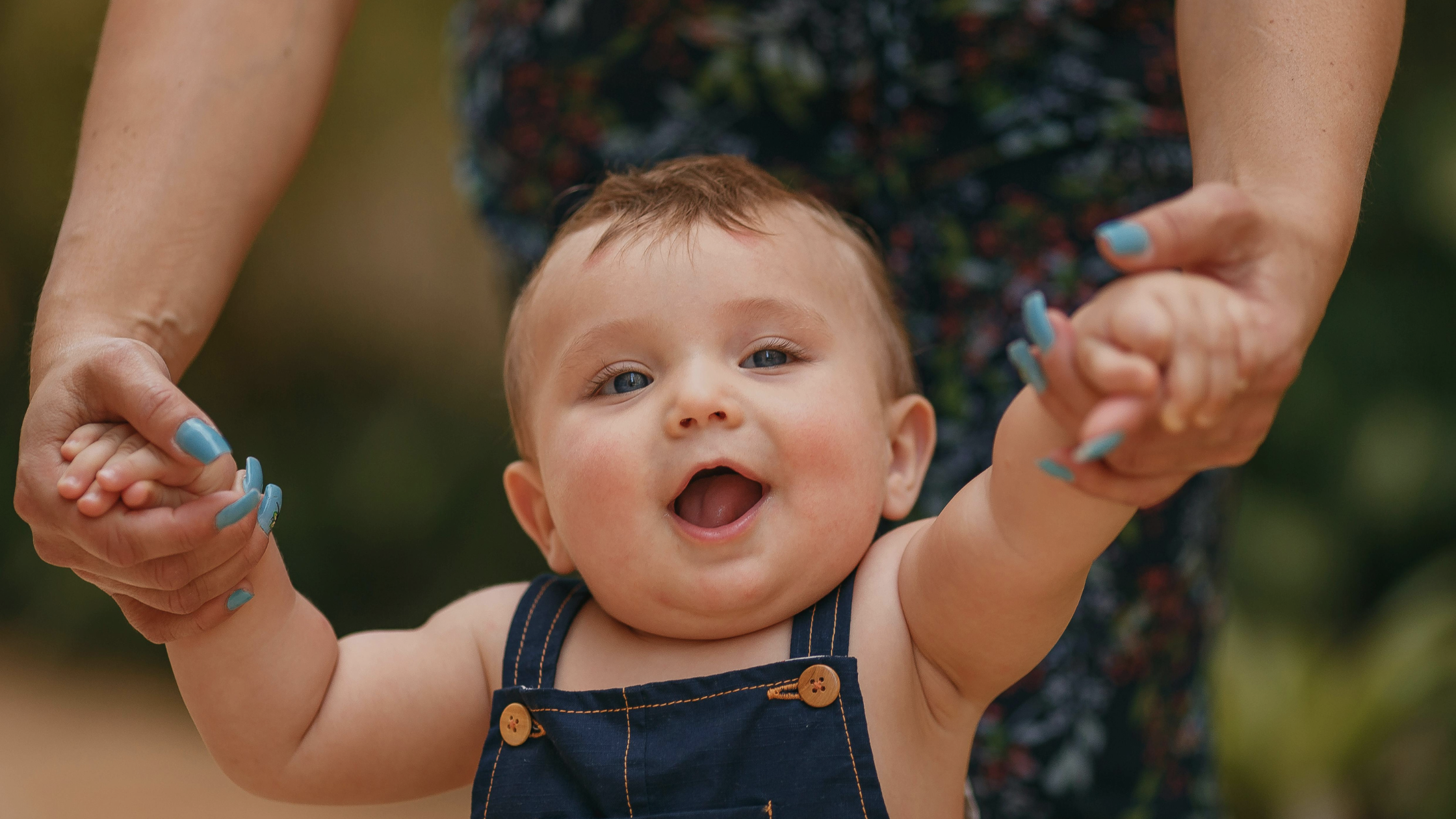
A fresh calendar year offers a prime opportunity to build steady habits that support early childhood learning and healthy preschool routines. This guide shows parents how predictable daily rhythms, play-based learning, and small goal-setting practices foster stronger attention, language growth, and emotional regulation in young children. You’ll find clear steps to introduce visual schedules, engaging at-home activities, milestone-focused supports, and SMART goal templates. The article covers why New Year routines matter, how to design a learning-friendly environment, key developmental milestones, setting meaningful family goals, and contemporary parenting strategies for sleep, movement, and mindful screen use.
New Year routines for toddlers and preschoolers create predictable frameworks that reduce stress, support habit formation, and open consistent learning windows. Predictability helps children anticipate what comes next, lowering anxiety and freeing cognitive resources for exploration and language learning. Small routines—like a morning song or brief reading time—establish repeated practice that strengthens neural pathways for attention and memory, leading to improved readiness for focused activities and a calmer family rhythm. These routines also support independence by giving children clear expectations and simple choices, building executive skills like planning.
Start with this three-step approach to introduce New Year routines effectively:
Predictable routines support child development by creating a reliable environment for skill practice and emotional regulation. Consistent routines reduce uncertainty, allowing more energy for learning and skill development, such as sequencing and self-help skills in morning routines, or emotional regulation and improved sleep quality through bedtime rituals.
Visual schedules use pictures or words to show the sequence of daily activities, boosting understanding and independence. For toddlers, picture cards work well; preschoolers benefit from magnet boards or checklists. Create one with 5–6 key steps, clear images, placed at child height. Review it daily and refer to it during transitions, keeping it flexible by rotating activities.
Early childhood learning thrives when play and environment invite curiosity and practice. Play-based learning integrates cognitive, social, and motor skill development through fun, repeatable activities. A learning-friendly environment makes materials accessible, reduces overstimulation, and provides safe spaces for exploration. The table below offers practical activities by target skill and materials, making it easy to plan short, focused learning moments.
| Activity | Target Skill(s) | How to do it (materials + steps) |
|---|---|---|
| Block Stacking | Spatial reasoning, problem-solving | Provide varied blocks; ask child to copy a tower, then build a taller one together |
| Picture Walks | Vocabulary, narrative skills | Use picture books; pause and ask child to predict what happens next |
| Sensory Bins | Fine motor, descriptive language | Fill a tub with rice/beans and small scoops; hide objects for sorting and describing |
| Pretend Play (Kitchen) | Social skills, sequencing | Offer utensils and play food; role-play a restaurant with turn-taking |
| Parachute Play | Gross motor, teamwork | Use a sheet; lift and lower to music and practice following cues |
Play-Based Learning Activities for Cognitive and Social Skills
Play-based learning naturally develops reasoning, language, and cooperation. High-impact activities include block play for spatial skills, pretend play for narrative and social perspective-taking, sensory exploration for descriptive language and fine motor control, simple board games for turn-taking, and outdoor obstacle courses for balance. These can be simplified for toddlers or enriched for preschoolers.
A stimulating home learning environment balances accessibility, safety, and low-stimulus design. Create child-height shelves with curated materials, rotate toys weekly, and designate areas for reading, messy play, and active movement. Use soft lighting and neutral backgrounds to reduce sensory overload, and label containers with pictures and words. Declutter and place items in reachable spots to promote autonomy and increase chosen learning moments.
Understanding child development milestones helps parents recognize typical progress and choose targeted activities. Milestones provide a roadmap for language, motor, and social-emotional skills, while simple home-based activities accelerate development. The table below links key milestones to actionable activities for growth.
| Age Range | Key Milestones | Simple Home Activities to Support |
|---|---|---|
| 0–2 years | First words, improved grasp, rolling & sitting | Shared book time, finger games, stacking cups, safe floor play |
| 3–5 years | Two-to-three word sentences, refined pincer grip, hopping, cooperative play | Story storytelling, threading beads, balance games, role-play scenarios |
| 6–8 years | Fluent conversation, complex fine motor tasks, organized play with rules | Daily reading aloud, arts/crafts with scissors, team games, problem-solving projects |
Social-emotional learning begins with practices that teach emotion labeling, self-calming, and perspective-taking. Emotion coaching—acknowledging feelings, naming them, and offering a brief strategy—helps children tolerate discomfort and practice regulation. For example, say “You look frustrated because the block tower fell; let’s take three deep breaths and try again.” Incorporate routines like a daily “feelings check-in” and role-play to build empathy and reduce intense outbursts.
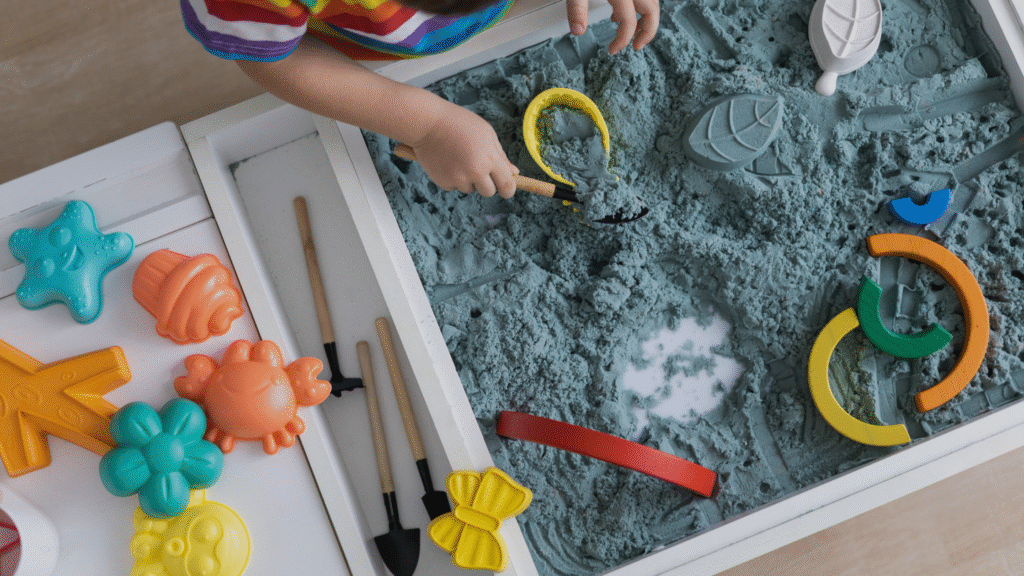
Targeted activities provide focused practice aligned with developmental milestones. For language, read aloud daily, narrate routines, and practice “turn talk.” For fine motor, offer puzzles, drawing, and simple threading. For gross motor, set up obstacle courses, play toss-and-catch, and encourage outdoor free play. Scale activities by reducing complexity for toddlers or adding rules for preschoolers. Consistent, short sessions are most effective.
Setting SMART goals for kids transforms wishes into clear, trackable actions. The SMART framework—Specific, Measurable, Achievable, Relevant, Time-bound—helps parents define small, age-appropriate targets like “read together 10 minutes nightly for four weeks.” Using SMART goals embeds early childhood learning into daily life and creates a structure for progress monitoring and celebration.
Involve your child in selecting one meaningful goal, breaking it into tiny steps, and choosing a simple tracker. Here are practical SMART examples across ages:
The SMART goal framework helps parents translate hopes into practical family actions. For example, “Practice counting to 20 together every morning for two weeks” is specific, measurable, achievable, relevant, and time-bound. This clarity reduces friction, creates predictable practice, and allows parents to celebrate incremental gains. A one-week tracker works well; reflect with your child at the end of the week to build ownership.
Involving children builds agency and motivation through choice, reflection, and celebration. Use simple choice boards, offer brief reflection prompts (e.g., “What did you enjoy most today?”), and celebrate small wins. Age-appropriate involvement might mean toddlers choose a book, while preschoolers help set a sticker goal. These practices teach self-awareness, decision-making, and intrinsic motivation.
Modern parenting emphasizes routines that support sleep, nutrition, movement, and mindful screen use as foundational to child development. Consistent sleep supports memory, balanced meals fuel attention, and daily movement promotes brain and motor development. Screen time guidelines, paired with co-viewing, preserve learning value while protecting attention. Below is a table summarizing age-specific screen time recommendations and practical strategies.
| Age Range | Screen Time Recommendation | Practical Strategy for Parents |
|---|---|---|
| 0–2 years | Avoid screen time except for video chatting; focus on real-world interactions | Replace short screen moments with interactive sensory play or book time |
| 3–5 years | Limit to short, high-quality co-viewed sessions (e.g., 15–30 min) | Co-view and discuss content; use screens for interactive story/apps only |
| 6+ years | Prioritize educational content and family media plans | Set clear time windows, model balanced use, and encourage offline hobbies |
Recommended screen time guidelines for preschoolers emphasize minimal passive exposure and prioritizing co-viewing. Infants and toddlers should avoid screens except for video chatting, while preschoolers benefit from short, high-quality, co-viewed sessions. Limit solo screen use, focusing on interactive or educational content, and always engage together to scaffold comprehension. Replace passive viewing with shared activities—an interactive read-aloud or sensory play—making screen moments purposeful. Establish clear daily windows for screens, include co-viewing rituals, and provide appealing non-screen options to protect attention, language development, and emotional connection
Positive parenting fosters a growth mindset by focusing praise on effort, strategies, and progress, and by modeling problem-solving. Use specific praise like “You worked so hard on those puzzle pieces and kept going—that persistence helped you finish.” Offer scripts to reframe setbacks into learning opportunities: “What did you try that helped? What else could we try next?” These responses teach children that skills grow through practice and challenges are normal. Create rituals that celebrate effort—like a “practice wins” board—to build resilience and encourage sustained engagement.