- Email starlightacademy.us@gmail.com
- Phone (206) 241 0844
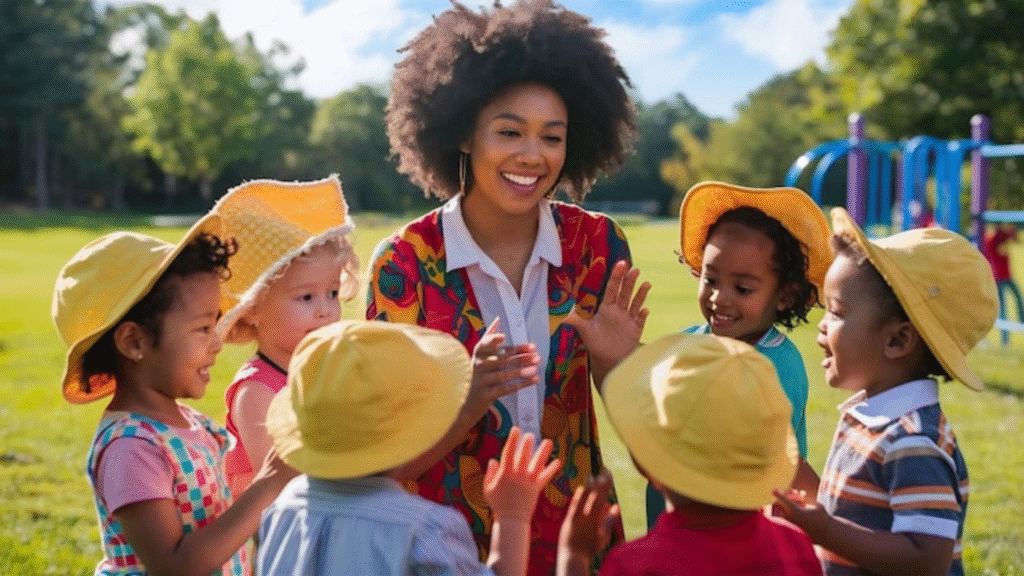
As the weather warms and flowers bloom, spring offers a perfect chance for children to engage in outdoor activities that support their development. Outdoor play is not only fun but also vital for enhancing physical, cognitive, and social skills. This article highlights the benefits of outdoor play in spring and suggests activities that promote child development. Parents and educators will find practical ways to include these activities in daily routines, ensuring children gain the most from their outdoor experiences. From sensory engagement to motor skill growth, the following sections explore how outdoor play can be both enjoyable and educational.
Outdoor play during spring provides many benefits for child development. It promotes physical health, sharpens cognitive abilities, and encourages social interaction. The natural environment stimulates children’s senses, inspiring exploration and creativity. Additionally, outdoor activities help develop motor skills as children move across varied terrains and participate in different physical challenges.
Spring offers a rich sensory environment with diverse sights, sounds, and smells that enhance sensory development. Activities like running through grass, climbing trees, or playing with water improve gross motor skills, while planting seeds or collecting leaves develop fine motor skills. These experiences encourage active exploration and physical growth.
Using outdoor environments to foster movement and sensory experiences in early childhood is a recognized practice in many educational systems, regardless of season.
Outdoor Play & Sensory-Motor Development in Early Childhood Norwegian kindergartens traditionally use outdoor environments for play and learning for even the youngest children year-round. Research shows teachers prioritize movement and sensory experiences outdoors, and parents value this approach highly. The natural environment as a playground for children: The impact of outdoor play activities in pre-primary school children, 2021
Outdoor play supports physical, cognitive, and emotional development. Physically, children build strength, coordination, and balance. Cognitively, they develop curiosity and problem-solving skills by facing new challenges. Emotionally, group play nurtures social skills and emotional intelligence, teaching cooperation, sharing, and communication.
Research consistently shows nature-based education benefits children’s holistic development, influencing social, emotional, and cognitive growth beyond physical activity.
Nature-Based Education for Child Development: Physical, Social, Cognitive Benefits Higher physical activity levels may positively impact social, emotional, and cognitive development. Nature-based early childhood education supports cognitive skills development, potentially improving academic outcomes. A mixed-methods systematic review, A Johnstone, 2022
Several physical activities effectively promote motor skills during spring and can be adapted for different ages and developmental stages.
Gross motor games like tag, soccer, and obstacle courses encourage physical activity and coordination. Fine motor games, such as building with natural materials or outdoor arts and crafts, refine hand-eye coordination and dexterity. Combining both types ensures balanced motor skill development.
To maximize engagement and safety, activities should be tailored to children’s developmental levels. Younger children benefit from simple movements like running and jumping, while older children can handle complex games involving strategy and teamwork. Ensuring a safe environment and age-appropriate equipment is essential.
Cognitive and sensory activities outdoors enhance learning by engaging children’s minds and senses, making education interactive and fun.
Activities like nature walks, scavenger hunts, and gardening boost observation, critical thinking, and creativity. For example, identifying plants or animals during a nature walk sparks curiosity and discussions about ecosystems and biodiversity.
Playing with sand, water, or natural materials stimulates the senses and encourages exploration. Creating sensory bins with varied textures enhances tactile awareness and imaginative play.
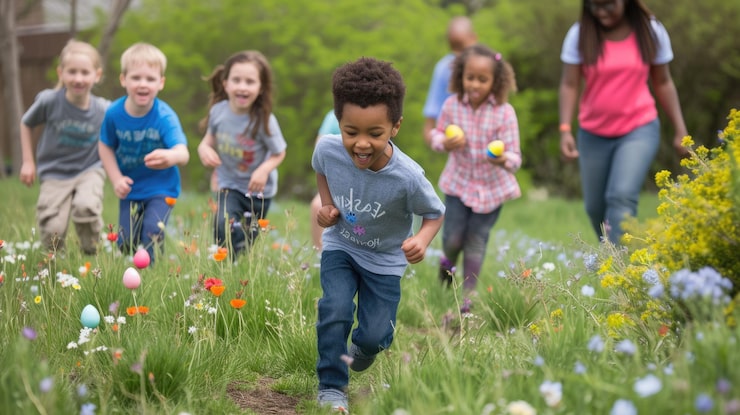
Group outdoor play is key to developing social and emotional skills. Playing with peers helps children learn communication, cooperation, and conflict resolution.
Studies show outdoor learning environments effectively nurture social and emotional development.
Promoting Social-Emotional Growth Through Outdoor Learning Research with Canadian primary school educators highlights outdoor learning’s benefits for social and emotional development, including social-emotional learning (SEL) promotion. Choose your own adventure: Promoting social and emotional development through outdoor learning, TM Molyneux, 2020
Team sports, cooperative games, and group storytelling encourage teamwork, idea sharing, and mutual support, building community and belonging. These activities help children navigate social dynamics and develop empathy.
Storytelling about teamwork and friendship inspires positive peer engagement. Case studies of successful group activities provide practical examples of how outdoor play fosters social and emotional growth.
Nature exploration helps children connect with the environment and understand their role in protecting it.
Interactive guides and scavenger hunts make nature exploration engaging and educational. Tasks like identifying local plants and animals promote active learning and curiosity, while encouraging teamwork.
Natural materials such as leaves, stones, and flowers are great for crafts and learning. Parks, gardens, and nature reserves offer diverse ecosystems for exploration and environmental education.
Ensuring safety during outdoor play is vital. Parents and educators can create secure environments by following key safety and preparation tips.
Check play areas for hazards, ensure appropriate clothing and footwear, and provide supervision. Be mindful of seasonal allergies and sun protection to prevent health issues.
Use checklists to ensure all essentials are packed, including water, snacks, first aid kits, and any specific equipment. Proper preparation enhances safety and enjoyment for all participants.